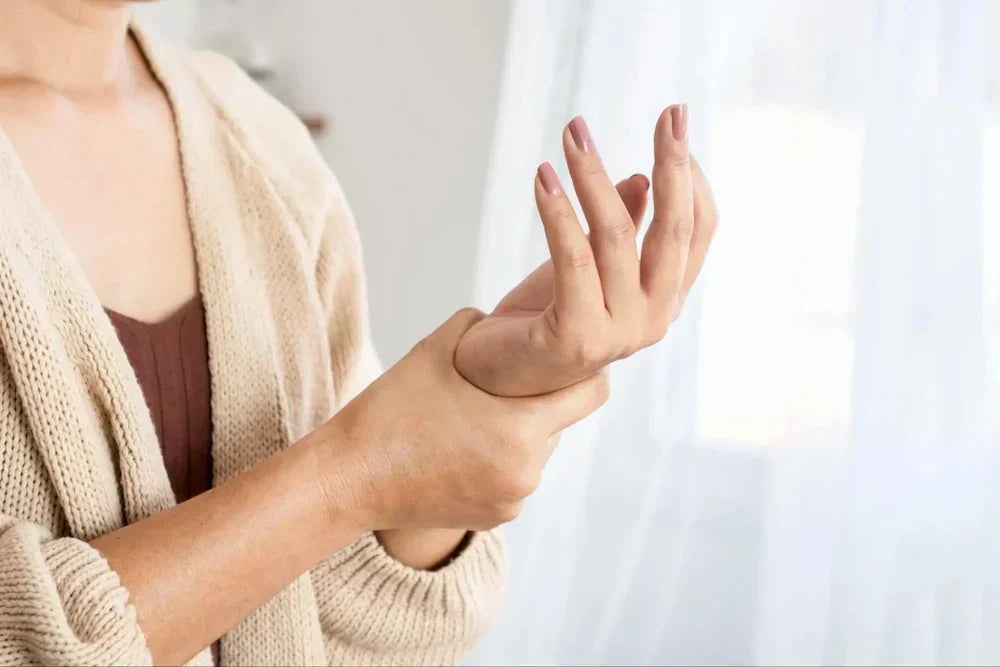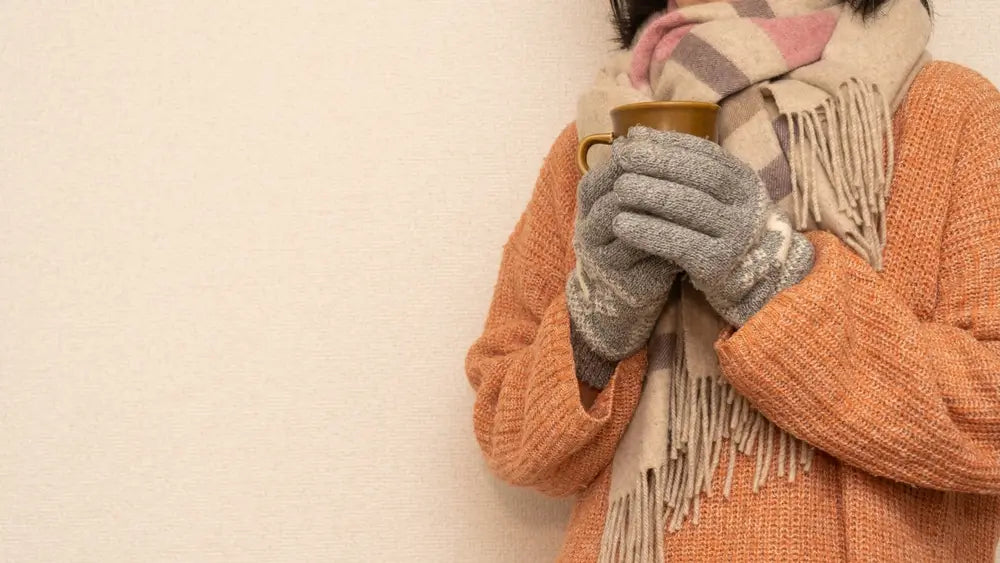

If you've ever experienced fingers that suddenly turn white, blue, or painfully cold, you're not alone. Raynaud's phenomenon affects millions of people, yet it remains widely misunderstood. Many people spend years assuming their symptoms are normal, while others receive well-meaning advice that doesn't fully address the challenges of living with the condition.
Understanding what Raynaud's is and what it isn't can help you recognize symptoms, identify triggers, and find effective ways to stay comfortable.
Myth #1: Raynaud's Is Rare
One of the most common misconceptions about Raynaud's phenomenon is that it's unusual. In reality, Raynaud's affects millions of people worldwide and is particularly common among women.
Because awareness remains relatively low, many people don't realize that recurring episodes of cold, numb, or discolored fingers may be signs of an underlying condition. Instead, they assume they simply have "poor circulation" or naturally cold hands.
Recognizing the symptoms is often the first step toward getting an accurate diagnosis and learning how to manage the condition effectively.
Myth #2: Raynaud's Only Happens During Winter
Cold weather is one of the most common triggers for Raynaud's attacks, but winter isn't the only time symptoms can occur.
Many people experience episodes year-round. Walking into an air-conditioned office, reaching into a grocery store freezer, handling cold drinks, or even moving between indoor and outdoor environments can trigger symptoms. For some individuals, emotional stress can also contribute to an episode.
This is why many people with Raynaud's develop warming strategies that they use throughout the year, not just during the coldest months.
💡Pro Tip: Many people with Raynaud's keep a pair of warming gloves handy year-round, not just during the winter months. Air-conditioned offices, grocery stores, and chilly restaurants can trigger symptoms just as easily as cold outdoor temperatures. Having a reliable source of hand warmth like FibreHeat’s self-heating gloves can help you stay comfortable wherever the day takes you.
Myth #3: Raynaud's Is Just About Cold Fingers
While fingers are often the most noticeable area affected, Raynaud's can impact other parts of the body as well. Toes are commonly affected, and some people also experience symptoms in their ears, nose, or other extremities.
The condition involves temporary narrowing of blood vessels, which reduces blood flow to affected areas. During an episode, people may experience numbness, tingling, discomfort, or changes in skin color in addition to feeling cold.
Because symptoms can vary significantly from person to person, it's important not to assume that everyone's experience with Raynaud's looks the same.

Myth #4: Everyone with Raynaud's Experiences the Same Symptoms
Many descriptions of Raynaud's focus on fingers turning white, then blue, then red. While these color changes are common, not everyone experiences all three stages.
Some people primarily notice numbness or tingling. Others experience significant discomfort when circulation returns to their fingers. The frequency and severity of attacks can also vary widely.
For one person, Raynaud's may be an occasional inconvenience. For another, it can interfere with work, outdoor activities, daily errands, or hobbies that require fine motor skills.
Myth #5: Raynaud's Means You Have Poor Circulation All the Time
People often use the terms "Raynaud's" and "poor circulation" interchangeably, but they are not necessarily the same thing.
In many cases, circulation is normal between episodes. The challenge is that blood vessels overreact to certain triggers, such as cold temperatures or stress, temporarily restricting blood flow.
Understanding this distinction can help explain why symptoms may appear suddenly and then improve once the body warms up or the trigger is removed.
Myth #6: There's Nothing You Can Do About Raynaud's
Although there is no universal cure for Raynaud's, there are many ways to reduce discomfort and minimize attacks.
People with Raynaud's often benefit from:
- identifying personal triggers
- dressing in layers
- staying physically active
- managing stress
- protecting their hands and feet from sudden temperature changes
Some individuals may also work with their healthcare providers to explore medical treatment options when symptoms are more severe.
💡Pro Tip: Many Raynaud's sufferers find it more effective to maintain warmth, especially in their hands and feet, before symptoms begin. For example, FibreHeat gloves for Raynaud’s are designed to provide continuous warmth without batteries or charging, making them easy to wear during everyday activities when cold triggers are difficult to avoid.
Myth #7: Raynaud's Is Just a Minor Inconvenience
For some people, Raynaud's symptoms are relatively mild; for others, the condition can have a significant impact on daily life.
Simple tasks such as walking the dog, commuting to work, shopping for groceries, attending outdoor events, or spending time in an air-conditioned office can become challenging when hands become painfully cold or numb.
The good news is that greater awareness of Raynaud's has led to improved education, support resources, and products designed specifically to help people manage symptoms and stay comfortable throughout the day.
Living More Comfortably with Raynaud's
Living with Raynaud's often requires a proactive approach to warmth and trigger management. Small adjustments, such as carrying gloves, avoiding sudden temperature changes, and planning ahead for cold environments, can make a meaningful difference.
While everyone's experience is unique, understanding the realities of Raynaud's can help replace misconceptions with practical strategies. For many people, staying consistently warm is one of the most important parts of managing symptoms and maintaining comfort throughout the year.
For additional information and support, the Raynaud's Association remains one of the most trusted resources for people living with Raynaud's phenomenon.